
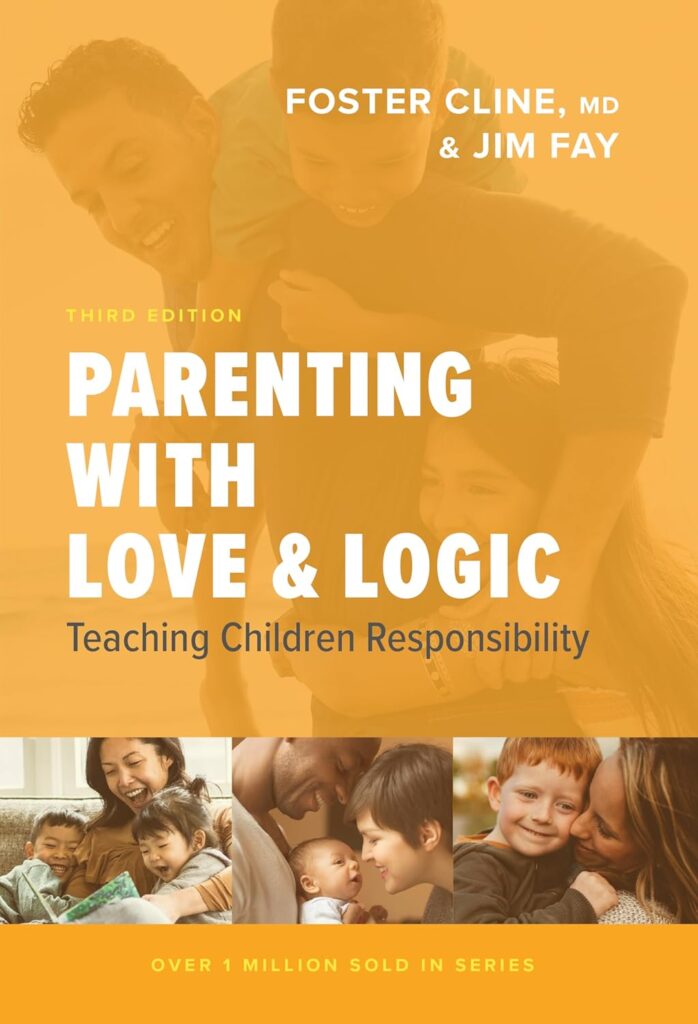
Overview of Parenting with Love and Logic
Parenting with Love and Logic is a parenting approach developed by Foster Cline and Jim Fay. It emphasizes raising responsible, independent children through empathy, boundaries, and natural consequences. The core idea is to prepare children for adulthood by allowing them to experience the results of their actions.
Key Concepts
Goals of Parenting
- Raise children to be independent and capable.
- Teach responsibility through real-life consequences.
- Encourage problem-solving and critical thinking.
Parenting Techniques
- Use empathy to connect with children.
- Set clear boundaries to provide structure.
- Allow children to face the natural outcomes of their choices, fostering resilience.
Benefits of the Approach
- Promotes emotional intelligence and self-discipline.
- Helps children learn from mistakes without excessive parental intervention.
- Encourages a positive parent-child relationship based on trust and respect.
This method helps parents navigate child-rearing challenges by promoting calmness and focusing on long-term development instead of immediate compliance.
You can find a valuable summary and helpful videos at:
Parenting With Love and Logic at babywisemom.com.
Parenting With Love and Logicbabywisemom.com
Want More Details – Here it is Overview of “Parenting with Love and Logic”
“Parenting with Love and Logic,” authored by Charles Fay and Foster Cline, is a parenting approach that combines emotional support with logical consequences. This method believes in empowering children to make choices while preparing them for the real world.
The core philosophy promotes the idea that allowing children to face the results of their decisions fosters responsibility and maturity.

Key Principles
1. Choices and Consequences
- Encourage children to make choices that come with logical consequences.
- Kids learn that their decisions have real-life outcomes, which helps them develop critical thinking and accountability.
2. Empathy and Support
- Parents are encouraged to show empathy while maintaining authority.
- Supportive communication fosters a strong parent-child relationship.
3. Avoiding Power Struggles
- Parents should avoid direct confrontations that may lead to power struggles.
- This can be achieved by offering appropriate choices rather than commands, allowing children to feel they have some control.
4. Long-Term Perspective
- Focus on preparing children for adulthood rather than simply managing behavior.
- This includes helping them develop problem-solving skills and resilience.
Practical Techniques
1. Use of Humor
- Encourage a lighthearted approach to discipline, making it less confrontational.
2. Real-Life Experiences
- Allow children to face consequences naturally, such as letting them experience losing privileges when they don’t follow through on responsibilities.
3. Answering Questions
- Rather than providing direct answers, guide children to think through their problems, promoting independence and critical thinking.
4. Involving Children in Discussions
- Include children in family discussions about rules and expectations, giving them a sense of ownership.
Benefits of the Approach
| Benefit | Description |
|---|---|
| Enhanced Responsibility | Children learn accountability through their own choices. |
| Stronger Relationships | Empathy and support foster trust between parents and children. |
| Better Decision-Making | As they practice making choices, children become better decision-makers. |
| Conflict Resolution Skills | Facing the outcomes of their choices develops resilience in children. |
Conclusion
“Parenting with Love and Logic” promotes a balanced approach to parenting that combines nurturing with discipline. By allowing children to experience consequences while providing support, parents can raise resilient, responsible individuals who are well-prepared for the challenges of life. The core philosophy encourages a collaborative, respectful relationship between parents and children, leading to positive outcomes in behavior and personal development.
Here are some Real World Samples
How Do I Do This Technique?
Samples from “Parenting with Love and Logic”
Here are some practical samples and scenarios that illustrate the principles and techniques from “Parenting with Love and Logic.”
1. Scenario: Homework Completion
Situation: Your child frequently forgets to complete homework.
Response:
- Instead of enforcing a strict punishment, you might say:
“I noticed you didn’t turn in your homework. You have two options: you can either spend time today finishing it up or accept that you won’t get a sticker this week that you’ve been looking forward to.” - This approach allows the child to choose their path while understanding the consequences.
2. Scenario: Chores Not Done
Situation: Your child refuses to do their chores.
Response:
- Rather than demanding they do their chores immediately, you could say:
“You can do your chores now or during the commercial breaks while watching your favorite show. Your choice!” - This method encourages responsibility while providing a sense of control.
3. Scenario: Late Curfew
Situation: Your teen comes home late.
Response:
- Instead of reacting angrily, you might respond:
“I see your curfew was 10 PM, and you came home at 11 PM. If you stick to your curfew next time, we can discuss a later curfew if you demonstrate reliability.” - This encourages the teen to think about their actions and take accountability.
4. Scenario: Choosing a Sport
Situation: Your child is indecisive about which sport to join.
Response:
- Instead of making the decision for them, say:
“You have the opportunity to join either basketball or soccer. You’ll need to commit to the choice for the season. Which sport do you want to try?” - This empowers the child to make a choice while understanding that commitment is important.
5. Scenario: Financial Responsibility
Situation: Your child wants a new video game.
Response:
- Instead of simply giving the money or denying the request, say:
“The game costs $60. You can either do extra chores to earn the money or wait for your birthday. What do you think?” - This teaches them the value of money and hard work.
Conclusion
The samples showcase how to apply the principles of “Parenting with Love and Logic” in everyday situations. By focusing on allowing children to make choices and face consequences, parents can nurture responsible and independent individuals.
SAMPLES OF CHILDREN USING Technique ON PARENTS OR TEACHERS OR PEERS
Samples of Children Using “Love and Logic” Techniques on Parents, Teachers, or Peers

Children often mimic the strategies they observe from their parents or caregivers. Here are some scenarios where children may employ techniques reminiscent of the “Love and Logic” approach in their interactions with parents, teachers, or peers.
1. Negotiating Bedtime with Parents
Situation: A child wants to stay up later than their usual bedtime.
Response:
- The child might say:
“Can I stay up an extra 30 minutes if I promise to get up and make my bed in the morning?” - Here, the child is learning to negotiate terms based on consequences, similar to the “Love and Logic” approach.
2. Seeking Help from a Teacher
Situation: A student struggles with a difficult project and needs assistance.
Response:
- The student could approach the teacher:
“I’m having trouble with this assignment. Can you help me understand it, or should I try to figure it out and come back for more help later?” - This shows initiative in seeking help while understanding the importance of trying to solve problems independently.
3. Influencing Peers in Group Work
Situation: During a group project, one child wants to change the strategy or direction.
Response:
- The child might say:
“What if we try my idea this week? If it doesn’t work, we can always use the last approach next time.” - This demonstrates the ability to assertively present an idea while accepting responsibility for the outcome.
4. Problem-Solving with Siblings
Situation: Two siblings argue over a toy.
Response:
- One sibling may suggest:
“How about we take turns with the toy? If we can’t agree on when to switch, we can set a timer so it’s fair.” - This encourages negotiation and conflict resolution rather than escalation.
5. Handling Disagreements with Friends
Situation: A child experiences conflict during a playdate.
Response:
- The child might say:
“If we can’t agree on which game to play, we can each pick one game, and then we’ll decide which one we liked better for next time.” - This promotes cooperation and teaches decision-making while fostering a positive relationship.
Conclusion
These examples illustrate how children can apply principles akin to “Love and Logic” in various social settings. By practicing negotiation, decision-making, and self-advocacy, children learn valuable life skills that contribute to their personal growth and relationships.